
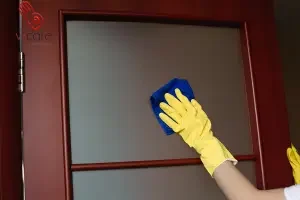
Your front door creates the first impression of your home. A dull, cracked, or faded door tells visitors your home lacks care, while a rich, glowing finish signals pride and attention to detail. This is exactly why you need to understand wooden door polish and finish types before you pick up a brush.
This guide walks you through every major finish option, explains how each one performs, and helps you choose the right coating for your climate, budget, and style. By the end, you will know exactly which wooden door polish and finish types suit your home best.
Why Your Door Finish Matters More Than You Think
A wooden door faces sun, rain, humidity, and daily handling. Without protection, wood fibers absorb moisture, swell, crack, and eventually rot. A good finish blocks water, resists UV damage, and keeps the wood grain looking sharp for years.
Choosing the wrong coating, however, causes peeling, discoloration, or a sticky surface that attracts dust. That’s why homeowners and contractors research wooden door polish and finish types before starting any refinishing project. The right choice saves money, extends the door’s life, and boosts curb appeal instantly.
Quick Overview: Popular Wood Finish Categories
Before diving into details, here’s a snapshot of the main options you’ll encounter:
Finish Type | Best For | Durability | Sheen |
Oil-based finish | Interior & exterior doors | High | Warm, natural |
Polyurethane finish | High-traffic entry doors | Very high | Glossy or satin |
Varnish coating | Exterior doors | High | Glossy |
Wax polish | Vintage or antique doors | Low-medium | Soft matte |
Lacquer finish | Furniture-style doors | Medium | High gloss |
Water-based finish | Eco-conscious homes | Medium-high | Clear, low odor |
This table gives you a fast reference point, but understanding the finer details of each of these wooden door polish and finish types helps you avoid costly mistakes later. Let’s break down each option so you can match it to your project.
1. Oil-Based Coatings: The Classic Choice
Oil soaks deep into the wood grain and highlights its natural color. Tung oil and linseed oil remain the most popular picks among these wooden door polish and finish types because they enhance warmth without hiding the wood’s character. This method sits at the heart of traditional wood finishing techniques used by carpenters for generations.
Advantages:
- Penetrates deeply for long-lasting protection
- Enriches natural wood tone
- Works well on both interior and exterior doors
Drawbacks:
- Takes longer to dry
- Requires reapplication every one to two years
Apply oil with a soft cloth, let it sit for 15 minutes, then wipe away the excess. Pair it with a natural wood stain beforehand if you want to deepen the color before sealing.
2. Polyurethane: Built for Durability
Polyurethane forms a hard, protective shell on top of the wood rather than soaking in. Homeowners with busy entryways prefer this option because it resists scratches, water, and daily wear far better than oil alone.
You can find this coating in both oil-based and water-based formulas, and each offers a glossy or satin sheen depending on your taste. Many professionals rank this among the top wooden door polish and finish types for exterior doors that face heavy foot traffic and harsh weather.
3. Varnish: Strong UV and Weather Protection
Varnish creates a tough, transparent layer that shields wood from sun exposure and rain. It’s a traditional pick for exterior doors, especially in regions with intense summer heat.
Varnish dries harder than oil finishes, so it holds up longer against door slams and constant handling. However, it can yellow slightly over time, which some homeowners actually like for a vintage look.
4. Wax: Soft, Natural Elegance
Wax suits people who want a soft matte sheen instead of a glossy shine. It’s easy to apply, buffs to a smooth finish, and works beautifully on antique or vintage wooden doors.
While wax doesn’t offer the same water resistance as polyurethane or varnish, it remains a favorite among decorators who prioritize appearance over heavy-duty protection. Reapply it every few months to maintain the glow.
5. Lacquer: High Gloss, Fast Drying
Lacquer dries quickly and creates a glass-like shine that suits modern, furniture-style interior doors. Professionals often spray it for an even, streak-free coat.
Because lacquer dries so fast, it’s harder to apply by hand without proper ventilation and equipment. Most DIYers hire a professional for this particular technique, making it less common among the various wooden door polish and finish types used at home.
6. Water-Based Coatings: The Eco-Friendly Option
Water-based products have grown popular thanks to low odor, quick drying time, and minimal environmental impact. They dry clear, resist yellowing, and work well for people sensitive to strong fumes.
While traditional oil-based coatings often outlast water-based ones, modern formulas have closed that durability gap significantly. If you’re updating an interior door and want a low-VOC option, this finish deserves a spot on your shortlist.
How to Choose Among Different Wooden Door Polish and Finish Types
Selecting the right coating depends on several factors:
Location of the door Exterior doors need UV and moisture resistance, so polyurethane or varnish performs better than wax.
Climate Humid regions demand finishes with strong water resistance, while drier climates allow more flexibility.
Desired look Glossy finishes highlight elegance and modern design, while matte or wax finishes suit rustic or vintage aesthetics.
Maintenance commitment Oil and wax finishes need regular touch-ups, while polyurethane and varnish last longer between applications.
Comparing these factors against the six wooden door polish and finish types listed above helps you narrow down the best match for your home instantly.
Step-by-Step: Applying Wood Finish Like a Pro
Follow these steps for a smooth, long-lasting result:
- Remove the door from its hinges and lay it flat on a workbench.
- Sand the surface using 120-grit sandpaper, then switch to 220-grit for a smoother finish.
- Wipe away dust with a tack cloth before applying any product.
- Apply a wood stain first if you want to adjust the color before sealing.
- Brush or wipe the finish evenly, following the wood grain direction.
- Let it dry fully between coats, checking the product label for exact timing.
- Sand lightly between coats using fine-grit sandpaper for extra smoothness.
- Apply two to three coats for maximum protection and shine.
- Reinstall the door once the final coat cures completely.
This process works for nearly every finish type mentioned in this guide, whether you choose oil, polyurethane, or lacquer.
Understanding the full range of wooden door polish and finish types also means knowing how to protect your investment after application.
Maintenance Tips to Extend Your Door's Life
- Clean the door monthly with a soft, damp cloth to remove dust and grime.
- Avoid harsh chemical cleaners that strip protective coatings.
- Inspect for cracks or peeling every six months, especially on exterior doors.
- Reapply wax or oil finishes as soon as the surface starts looking dull.
- Keep exterior doors shaded with an overhang when possible to reduce UV exposure.
Regular care keeps your wooden door polish and finish types performing at their best for many years, saving you the cost of a full refinishing project.
Sheen Showdown: Matte or Glossy?
Many homeowners struggle to decide between a matte vs glossy finish for their entry door. Glossy finishes reflect light beautifully and highlight fine wood grain, making them ideal for statement doors. Matte finishes, on the other hand, hide minor scratches and suit farmhouse or traditional-style homes.
Neither option outperforms the other; your final choice comes down to personal taste and the architectural style of your home.
When to Consider Refinishing Your Door
If your current coating looks faded, cracked, or worn, door refinishing brings the wood back to life without replacing the entire door. This process involves stripping the old finish, sanding the surface, and applying a fresh coat using any of the wooden door polish and finish types covered in this guide.
Refinishing costs far less than installing a brand-new door, and it lets you experiment with a different sheen or color if you want a style update.
Here are quick answers to common questions homeowners ask about wooden door polish and finish types.
Final Thoughts
Picking the right coating doesn’t have to feel overwhelming once you understand how each option performs. From durable polyurethane to elegant wax, every one of these wooden door polish and finish types brings a distinct look and level of protection to your home.
Match your choice to your door’s location, your climate, and your personal style, and you’ll enjoy a beautiful, long-lasting entryway for years to come. Whether you refinish an old door or upgrade a brand-new one, understanding wooden door polish and finish types ensures you make a confident, informed decision.