
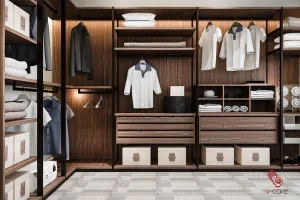
Your master bedroom deserves more than a chaotic closet. Homeowners across the country are investing in walk-in closet organizers to transform their storage spaces into stunning, functional sanctuaries. Whether you hang dozens of suits, fold endless stacks of sweaters, or collect shoes like trophies, the right closet system turns daily dressing into a luxury experience.
In this guide, we walk you through everything you need to know — from design principles to material choices — so you can build the master bedroom closet of your dreams.
Why Your Master Bedroom Needs a Customized Closet System
Standard builder closets fail most homeowners. They offer a single rod, one shelf, and zero personality. Walk-in closet organizers, on the other hand, use every square inch of available space to serve your exact lifestyle.
Customization matters because no two wardrobes look alike. A professional athlete stores gear differently than a fashion blogger. A busy parent needs quick access to everyday basics, while a minimalist benefits from a sleek, streamlined layout. When you invest in personalized walk-in closet organizers, you stop fighting your space and start working with it.
Beyond convenience, a well-designed closet adds real estate value. Buyers consistently rank master bedroom storage as a top priority. A beautiful, organized closet impresses during showings and justifies a higher asking price.
Start with a Closet Layout Plan
Before you purchase a single shelf or drawer, you need a clear layout plan. Measure your walk-in closet carefully — note the ceiling height, door swing, window placement, and any awkward angles.
Then ask yourself these questions:
- How many hanging garments do you own? Divide them into long items (dresses, coats) and short items (shirts, jackets) to plan double-hang and single-hang sections.
- Do you fold more than you hang? You will need deeper shelves and more vertical stacking space.
- How large is your shoe collection? Angled shoe shelves, cubbies, or pull-out racks each serve different collection sizes.
- Do you share the closet? Two people sharing a walk-in need separate zones with equal real estate.
A detailed layout plan helps you choose the right walk-in closet organizers and avoids costly mistakes during installation.
Top Components of a Custom Walk-in Closet
1. Double-Hang Clothing Rods
Double-hang sections maximize vertical space by stacking two rods — one at about 40 inches high and one at about 80 inches. You can store folded shirts, blazers, skirts, and pants on this configuration and double your hanging capacity in a single wall section.
Choose walk-in closet organizers that allow you to adjust rod heights. As your wardrobe evolves, your rods should too.
2. Built-in Drawers and Dresser Modules
Built-in drawer modules eliminate the need for a separate dresser in your bedroom. You can integrate deep drawers for jeans and sweaters, shallow drawers for socks and underwear, and felt-lined jewelry drawers for accessories.
Quality walk-in closet organizers feature soft-close drawer mechanisms, full-extension slides, and dovetail joinery — details that make daily use smooth and satisfying.
3. Adjustable Shelving Systems
Adjustable shelves are the backbone of any great closet design. You can reconfigure them as your storage needs change. Use upper shelves for seasonal items and lower shelves for everyday bags, folded clothing, and bins.
Modular shelving in closet design allows you to expand your system later without tearing apart the whole layout.
4. Shoe Storage Solutions
Shoes deserve dedicated storage. Your options include angled display shelves that show shoes at a flattering angle, flat shelves for stacking boxes, pull-out shoe racks that bring items forward, and clear acrylic bins for protecting favorite pairs.
Serious collectors benefit from floor-to-ceiling shoe towers built into their walk-in closet organizers.
5. Island or Center Storage Unit
If your walk-in closet is large enough, a center island adds dramatic storage and luxury appeal. Islands typically include drawers, a felt-lined top for folding and organizing jewelry, and sometimes a lower shelf for baskets or bins.
A closet island transforms your walk-in closet organizer system into something that feels more like a personal boutique than a storage room.
6. Accessory and Jewelry Organization
Accessories often cause the most visual clutter. Built-in solutions for ties, belts, scarves, handbags, and jewelry keep everything visible and tangle-free. You can incorporate pull-out valet rods, hook panels, velvet drawer inserts, and acrylic organizers into your walk-in closet organizers for a polished result.
Choosing the Right Material for Your Closet System
Material selection defines both the look and longevity of your closet. Here are the most popular choices:
Melamine-Coated Particleboard
This is the most budget-friendly option. Manufacturers coat particleboard with a thin layer of melamine resin that resists moisture and scratches. You can find it in white, gray, espresso, and wood-tone finishes. It works well for walk-in closet organizers in dry climates, but it can sag under very heavy loads.
MDF (Medium-Density Fiberboard)
MDF is denser and smoother than particleboard. It holds screws better, paints beautifully, and resists warping. Custom closet designers often use MDF when clients want a painted finish that looks truly built-in.
Solid Wood and Plywood
Solid wood and cabinet-grade plywood offer the highest durability and the most luxurious appearance. These materials cost more but last decades and handle heavy loads without bowing. If you want your walk-in closet organizers to look like fine furniture, solid wood is worth the investment.
Wire Shelving
Wire shelving remains popular for budget renovations. It allows air circulation and resists moisture — useful in humid environments. However, it lacks the built-in appearance that most master bedroom closets call for.
Smart Storage Features Worth Adding
Modern walk-in closet organizers can incorporate technology and clever features that make everyday use even more efficient:
- LED lighting strips illuminate the closet evenly and eliminate dark corners where items hide.
- Motion-sensor lights turn on automatically when you open the closet door.
- Charging stations built into island drawers keep devices powered without cluttering bedside tables.
- Mirrors integrated into closet doors or walls let you evaluate outfits without leaving the room.
- Pull-down closet rods bring high hanging sections within easy reach, perfect for shorter users or high ceilings.
- Hamper pull-outs keep dirty laundry hidden and the closet floor clear.
Each of these features elevates walk-in closet organizers from functional to exceptional.
How to Organize a Walk-in Closet by Category
Even the best walk-in closet organizers need a thoughtful organizational strategy. Follow this closet decluttering method for best results:
Step 1 — Edit your wardrobe. Pull everything out and sort items into keep, donate, and discard piles. You cannot organize clutter — you can only move it.
Step 2 — Group by category. Keep all tops together, all bottoms together, all outerwear together. Grouping by category speeds up your morning routine dramatically.
Step 3 — Assign zones. Place everyday items at eye level and arm’s reach. Store seasonal garments on upper shelves or in vacuum bags on the closet floor. Keep formal wear and rarely worn pieces toward the back or ends.
Step 4 — Use consistent hangers. Slim velvet hangers save space and keep clothing from slipping. Replacing wire hangers instantly improves the visual appeal of any closet.
Step 5 — Label everything. Labels on bins, baskets, and drawer fronts eliminate confusion and help every household member return items to the right place.
Closet Design Trends for Master Bedrooms in 2025
The world of walk-in closet organizers continues to evolve. These are the trends dominating master bedroom closet design right now:
Warm wood tones. White melamine dominated for years, but homeowners now gravitate toward walnut, oak, and warm espresso finishes that feel cozy and sophisticated.
Open display sections. Treating handbags, shoes, and accessories like display pieces — visible on open shelves rather than hidden behind doors — adds a boutique-hotel aesthetic.
Gender-neutral design. Couples favor shared walk-in closets that blend seamlessly rather than splitting into “his” and “hers” zones with contrasting colors.
Integrated seating. A small bench or ottoman inside the walk-in closet lets you sit while putting on shoes — a simple luxury that makes a surprising difference.
Sustainable materials. Buyers increasingly choose closet systems built from responsibly sourced wood, low-VOC finishes, and recycled content.
DIY vs. Professional Custom Closet Installation
You face a choice: install a pre-made closet kit yourself, or hire a professional designer to build a truly custom system.
DIY closet kits from big-box retailers cost less upfront and work well for straightforward spaces. However, they rarely maximize unusual room shapes, and the quality of walk-in closet organizers in these kits varies widely.
Professional custom closet companies measure your space precisely, design a system tailored to your wardrobe, and handle installation. The result looks built-in because it is. You pay more, but the investment typically pays off in both daily enjoyment and home resale value.
If you choose a professional, ask for a 3D rendering of your walk-in closet organizers before committing. A good designer shows you exactly what you will receive before any work begins.
Budget Guide for Custom Walk-in Closets
Costs for walk-in closet organizers vary based on size, materials, and complexity:
- Basic wire or melamine system (DIY): $500 – $1,500
- Mid-range custom system (professional): $3,000 – $8,000
- High-end luxury system (solid wood, full features): $10,000 – $25,000+
Factor in lighting, hardware, and installation labor when building your budget. Many homeowners find that splitting the investment — choosing premium materials for visible surfaces and economical materials for hidden zones — delivers the best value.
Final Thoughts
A customized closet is one of the most satisfying home upgrades you can make. Every morning, you start your day in a space that works for you — everything visible, everything accessible, everything in its place. Walk-in closet organizers built to your exact wardrobe and lifestyle deliver that experience consistently.
Start with a solid layout plan, choose materials that match your style and budget, and add the smart features that simplify your routine. Whether you go the DIY route or partner with a professional designer, the perfect master bedroom closet is well within reach — and absolutely worth every dollar you invest.