
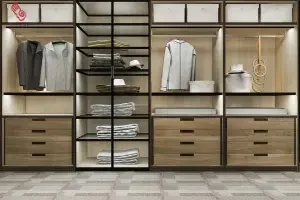
Homeowners across the world now choose sliding wardrobe designs over traditional hinged closets, and the reasons are easy to understand. A sliding wardrobe saves floor space, adds a sleek visual line to any bedroom, and adapts to almost every interior style. This guide walks you through everything you need to know before you pick your next wardrobe upgrade.
Why Sliding Wardrobe Designs Are Taking Over Modern Homes
Interior designers recommend sliding wardrobe designs for one simple reason: they solve the space problem that hinged doors create. A hinged door needs clearance to swing open, but a sliding door glides along a track and never invades your walking space. This single feature makes sliding wardrobe designs the top pick for compact apartments, studio flats, and narrow bedrooms.
Beyond the space advantage, this style also brings a clean, uninterrupted look to a room. The flat, continuous surface removes visual clutter, and many homeowners pair this feature with a minimalist bedroom theme. You get storage and style in one unit, without sacrificing either.
The Room-Freeing Advantage You Can’t Ignore
A closet layout that prioritizes space efficiency changes how a room feels. When you remove the need for door clearance, you free up an entire zone that you can use for a reading chair, a study desk, or extra walking room. This is why architects now build sliding units into new apartment layouts as a default, not an add-on.
Small bedrooms benefit the most. A family living in a compact home can install a wall-length unit and still keep the room open and breathable. The track system sits flush against the wall, and the doors slide side to side without ever touching the floor space in front of the closet.
Popular Styles Within Sliding Wardrobe Designs
Not every sliding wardrobe looks the same, and this variety gives you room to match your personal taste with your home’s overall theme.
Mirrored Sliding Doors
This finish doubles as a full-length mirror and a wardrobe front. This style works exceptionally well in smaller rooms because the reflective surface bounces light around and makes the space feel larger than it actually is. Many buyers choose this option first when they shop for sliding wardrobe designs, since it solves two furniture needs at once.
Glass Panel Finishes
Frosted or tinted glass panels give a wardrobe a soft, contemporary finish. Glass panels hide the contents of the closet while still adding a touch of sophistication to the bedroom. Designers often frame these panels in matte aluminum or wood grain borders to keep the overall style balanced.
Wooden and Laminate Finishes
Wood grain laminate remains a favorite for buyers who want a warm, natural look. This finish blends easily with existing furniture, and it hides scratches and fingerprints better than glossy surfaces. A wooden finish also pairs well with tailored closet projects that aim for a classic, timeless bedroom.
High-Gloss Lacquer Panels
High-gloss panels reflect light and create a bold, modern statement. Homeowners who want a striking focal point often choose a bright color like red, navy, or emerald green for this finish. This style suits contemporary apartments and homes that already lean toward a bold color palette.
Sliding Wardrobe Designs for Small Bedrooms
Small bedrooms present a unique challenge, but sliding wardrobe designs solve most of that challenge without effort. You can install a corner unit that wraps around an awkward angle, or you can choose a slim-depth wardrobe that sits only 450mm deep instead of the standard 600mm. Every inch you save adds up in a tight room.
A built-in wardrobe that spans an entire wall also creates a seamless look. Instead of a bulky freestanding unit that breaks up the room visually, a built-in design blends into the architecture and makes the ceiling feel higher. Many small-space homeowners now request this layout specifically because it maximizes wardrobe storage solutions while keeping the floor plan open.
Customization and Interior Organization
A wardrobe does more than store clothes; it organizes your entire daily routine. Thoughtful wardrobe interior design turns a plain box into a functional system, and modular wardrobes let you configure shelves, drawers, and hanging rods based on your actual wardrobe needs rather than a generic factory layout.
Internal Layout Options
You can request pull-out trouser racks, shoe cubbies, jewelry drawers, and dedicated sections for folded items. A well-planned internal layout turns a simple closet into a functional dressing station. Wardrobe organizers such as labeled bins and adjustable dividers keep everything visible and easy to reach.
Lighting and Accessories
LED strip lighting inside the wardrobe adds both function and style. Motion-sensor lights turn on automatically when you open the door, which helps you find items in low-light conditions. This small addition elevates the entire experience and gives your sliding wardrobe designs a boutique-store feel at home.
Matching Sliding Wardrobe Designs With Your Bedroom Theme
Your bedroom wardrobe idea should always complement the room’s existing color scheme and furniture style. A Scandinavian-themed bedroom pairs naturally with light oak finishes and simple hardware, while an industrial-style room suits matte black frames and exposed metal tracks.
If your room already features bold wallpaper or a statement headboard, a neutral wardrobe finish keeps the balance right. On the other hand, a plain room benefits from a wardrobe with a textured or patterned front, since it becomes the room’s visual anchor.
Custom wardrobe design services let you test different combinations before committing to a final choice. Many showrooms now offer 3D visualization tools so you can preview the exact colors and finishes inside your own room dimensions.
Sliding Wardrobe Designs as a Walk-In Closet Alternative
Not every home has room for a full walk-in closet, but sliding units close that gap effectively. A well-organized sliding wardrobe delivers similar storage capacity to a small dedicated dressing room, minus the extra square footage a separate room would require.
Double-track and triple-track systems let you fit more storage into the same wall length. You can layer hanging space behind a second sliding panel, which increases capacity without expanding the wardrobe’s footprint. This approach gives renters and homeowners in tight spaces a practical way to enjoy closet-level organization.
Durability and Maintenance Tips
A wardrobe is a long-term investment, so you should choose materials that hold up over years of daily use. Aluminum tracks resist rust and generally outlast plastic alternatives. You should clean the tracks every few months to prevent dust buildup, since dust and debris cause sliding doors to stick or squeak over time.
Soft-close mechanisms reduce wear on the frame and prevent the loud bang that comes from a door closing too fast. This feature also protects small children from pinched fingers, which makes it a smart addition for family homes.
You should also check the door alignment periodically. A misaligned door drags along the track and wears down faster, so a quick adjustment every six months keeps the whole system running smoothly.
Cost Factors to Consider
The price of sliding wardrobe designs depends on several factors: the size of the unit, the finish you select, and the level of internal customization you request. A basic laminate finish costs less than a high-gloss or mirrored option, and a simple two-door unit costs less than a wall-length, multi-door configuration.
You should also factor in installation costs, since a professional fitter ensures the tracks sit level and the doors glide smoothly. A poorly installed wardrobe often develops alignment issues within the first year, which leads to repair costs down the line.
How to Choose the Right Sliding Wardrobe Designs for Your Home
Start by measuring your available wall space and noting the room’s ceiling height. Next, decide on a finish that matches your bedroom’s color palette. Then, list your storage priorities, such as extra shoe space, a dedicated section for accessories, or room for seasonal clothing.
Once you settle on these details, request quotes from a few local carpenters or furniture brands. Compare their material quality, warranty terms, and installation timelines before you commit. A little research at this stage saves you from a costly mistake later.
Or contact v-care professionals
Final Thoughts
Sliding wardrobe designs give you a practical, stylish solution for nearly any bedroom size or layout. You gain storage, you save floor space, and you add a polished visual element to your home, all through one furniture piece. Whether you prefer mirrored panels, wood finishes, or a bold lacquer front, a well-planned wardrobe upgrades both the function and the feel of your bedroom.