
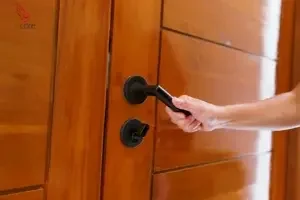
Your front door greets every visitor before they ring the bell. Your interior doors set the tone for every room they guard. Yet most homeowners pick a door and completely ignore the finish that protects it, and that oversight costs them money, curb appeal, and years of durability.
This guide fixes that problem. You’ll learn every major category among today’s door finish types, discover how each one performs in real conditions, and walk away knowing exactly which door finish type fits your home, your budget, and your climate.
Why the Right Finish Matters More Than You Think
Wood swells. Wood cracks. Wood fades under sunlight and warps in humidity. A quality finish stops all of that. It seals the surface, blocks moisture, and adds the color or sheen you actually want to look at every day.
Homeowners often spend hours choosing the perfect door style, then grab whatever coating the store recommends. That approach backfires. The wrong choice peels within a year, while the right one lasts a decade or longer. Learning the full range of door finish types before you buy saves you from repainting, resealing, or replacing your door far sooner than necessary.
A Quick Snapshot of Door Finish Types
Before diving deep, here’s a fast overview of the door finish types you’ll encounter while shopping:
- Paint
- Stain
- Varnish and polyurethane
- Lacquer
- Oil-based coatings
- Water-based coatings
- Natural, clear-sealed wood
Each of these door finish types brings its own strengths, weaknesses, and ideal use case. Let’s break them down one by one.
1. Paint
Paint covers the wood grain completely and delivers a solid, uniform color. Homeowners pick paint when they want bold curb appeal or need to match a specific exterior palette.
Paint resists UV damage well when you select a quality exterior-grade product, and it also hides imperfections in lower-grade wood, which makes it a budget-friendly option for older doors. The tradeoff shows up over time: paint chips and demands touch-ups every few years, especially on high-traffic entry doors.
2. Stain
Stain penetrates the wood and highlights its natural grain instead of hiding it. If you own a door made from oak, mahogany, or walnut, stain lets that beauty show through clearly.
Door stain colors range from light honey tones to deep espresso shades, giving you enormous flexibility as you plan your look. Stain alone doesn’t seal the wood completely, though, so most professionals pair it with a protective topcoat for full coverage.
3. Varnish and Polyurethane
Varnish for doors creates a hard, protective shell over the wood that resists scratches, moisture, and everyday wear far better than stain alone. Polyurethane finish, a modern cousin of traditional varnish, offers even stronger protection against UV rays and water damage.
Contractors frequently recommend this category of door finish types for exterior doors because it holds up against rain, snow, and direct sunlight much longer than basic stain does.
4. Lacquer
Lacquer finish dries fast and produces a smooth, glass-like surface. Furniture makers and door manufacturers favor it for factory-applied coatings because it cures quickly and looks flawless straight out of the shop.
This option doesn’t handle direct outdoor exposure as well as tougher alternatives, so save it for interior doors where humidity and sunlight stay controlled.
5. Oil-Based Coatings
An oil-based finish soaks deep into the wood grain and enhances its natural warmth. Tung oil and linseed oil rank among the most popular choices in this category. This approach requires more frequent reapplication than film-forming options, but it produces a rich, authentic look that many homeowners prefer for solid wood doors.
6. Water-Based Coatings
A water-based finish has grown popular over the last decade because it dries fast, contains fewer harmful fumes, and cleans up with just soap and water. It doesn’t yellow over time the way some oil-based products do, which makes it ideal for lighter wood tones or painted white doors.
Wood Types That Work Best
The wood species you choose affects cost, durability, and appearance just as much as the shape does.
- Oak offers a strong grain pattern and holds up well in high-traffic lobbies.
- Walnut brings a rich, dark tone that suits upscale corporate offices.
- Maple gives a lighter, more neutral finish that works in bright, airy spaces.
- Engineered wood with veneer keeps costs down while still delivering an authentic wood look.
- Bamboo appeals to companies that prioritize sustainability in their corporate interior design.
Each material carries its own maintenance needs, so match your choice to your office’s foot traffic and cleaning routine.
Matte, Satin, or Glossy?
Beyond the category itself, you must choose a sheen level, and this decision affects both appearance and durability just as much as your choice among the various door finish types does.
- Matte hides fingerprints and minor imperfections but shows less shine.
- Satin balances a soft glow with practical durability, making it the most popular residential choice.
- Gloss delivers maximum shine and the highest scratch resistance, though it highlights every flaw in the wood surface.
The matte vs glossy finish debate ultimately comes down to personal taste and traffic level. High-traffic entry doors benefit from satin or gloss because these sheens resist wear better than a flatter look.
Interior Doors vs Exterior Doors: Different Rules Apply
You can’t treat every door the same way. Interior applications prioritize appearance and low maintenance since they never face rain or direct sun, so lacquer, light stain, and water-based products all work beautifully indoors.
Exterior applications need to survive rain, wind, snow, and blazing sun. Polyurethane, quality exterior paint, and marine-grade varnish handle these conditions far better than indoor-only products. Skipping this distinction ranks among the biggest mistakes homeowners make when comparing door finish types.
Natural Wood Finish the Minimalist's Favorite
Some homeowners skip color-altering products altogether and choose this clear-coated look instead. This approach uses clear sealants or light oils that protect the wood while preserving its original color entirely, giving the door an honest, unfiltered character that many design styles favor.
This particular option suits modern and Scandinavian-style homes especially well. It requires more frequent maintenance than pigmented options because it offers less UV protection, but the payoff is an authentic, unfiltered look that pigmented finishes simply can’t replicate.
Don't Forget the Sealant
Regardless of which option you choose, a proper door sealant locks moisture out and extends the life of everything underneath it. Many homeowners finish a beautiful stain or paint job and then skip this final step entirely, and that mistake leads to premature cracking and water damage within just a year or two.
Always apply a compatible protective layer as your last step, especially on exterior doors exposed to the elements.
How to Match Durability to Your Climate
Your ideal pick among the many door finish types depends heavily on where you live. Humid coastal climates demand options with strong moisture resistance, while dry, sun-heavy regions need products with excellent UV blockers to prevent fading and cracking.
Cold climates with heavy snowfall benefit from flexible coatings that expand and contract with temperature swings without cracking. Ask your local hardware store or contractor which door finish types perform best in your specific region before you commit to a purchase.
A Simple Decision Framework
Use this quick framework to narrow down your options fast:
- Identify the door’s location. Interior or exterior changes everything.
- Decide if you want color or natural grain. This determines paint versus stain.
- Choose your protective topcoat. Base this on exposure level and traffic.
- Pick your sheen. Matte, satin, or gloss based on style and traffic.
- Apply a sealant. Never skip this final protective step.
This framework works for virtually every situation, whether you’re finishing a brand-new front door or refreshing a tired interior door, and it applies no matter which of the many door finish types you land on.
Common Mistakes to Avoid
Homeowners repeat the same errors again and again when working with different door finish types. Skipping proper sanding before application ranks as the number one mistake, since it causes uneven absorption and a blotchy final look. Applying any coating in humid or extremely cold conditions also ruins the cure process and shortens the lifespan dramatically.
Many people rush the drying time between coats too. Patience matters here, because rushed applications trap moisture underneath the surface and cause bubbling or peeling within months. Choosing among wood door finishes without checking manufacturer instructions leads to the same disappointing result.
Quick FAQ
How often should I refinish a wood door? Interior doors typically go five to ten years between refinishing sessions, while exterior doors facing harsh sun or heavy rain often need attention every two to four years.
Can I switch from stain to paint later? Yes, though you’ll need to sand the surface thoroughly and apply a bonding primer first so the new coat adheres properly.
Does the finish affect my door’s energy efficiency? A sealed, well-maintained surface prevents moisture infiltration and helps the door maintain its shape, which keeps drafts and air leaks to a minimum around the frame.
Final Thoughts
Choosing among the many door finish types doesn’t need to overwhelm you. Match your pick to the door’s location, select a sheen that suits your traffic level, and never skip the sealant step. Whether you land on a rich oil-based option, a durable polyurethane coating, or a clean water-based product, the right choice among today’s door finish types protects your investment and elevates your home’s appearance for years to come.
Take the time to choose correctly today, and your doors will reward you with lasting beauty and minimal maintenance for a very long time.