
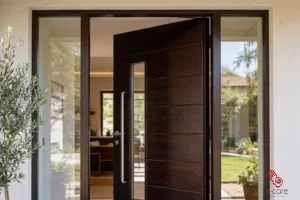
Your bungalow’s entrance sets the tone for everything inside. Before a guest steps through the threshold, they form an opinion — and nothing shapes that opinion more powerfully than the front door. Homeowners across the world now choose customized carved entrance doors to make bold, lasting statements that reflect their personal style and architectural vision.
Unlike mass-produced options that line hardware store shelves, customized carved entrance doors bring artistry, individuality, and superior craftsmanship to your home’s facade. Whether your bungalow follows a classic Craftsman style, a colonial revival design, or a contemporary minimalist aesthetic, a hand-crafted carved door completes the look with unmatched elegance.
This guide walks you through everything you need to know — from design choices and materials to installation, maintenance, and investment value — so you can make a confident, informed decision for your home.
Why Bungalows Deserve Customized Carved Entrance Doors
Bungalows carry a distinctive architectural character. Their low-pitched roofs, wide front porches, and emphasis on natural materials create a welcoming, grounded feel. A generic hollow-core door simply does not honor that character.
Customized carved entrance doors respect the soul of bungalow architecture. They echo the handcrafted tradition that defines the bungalow style — from the Arts and Crafts movement of the early 20th century to today’s modern interpretations. When you install a carved wooden door, you continue a legacy of intentional, skilled design.
Beyond aesthetics, bungalows typically feature a single, prominent entrance that draws the eye directly. This means your front door carries enormous visual weight. A beautifully carved, custom-made door transforms that focal point into a genuine work of art that elevates your entire property’s curb appeal and market value.
Understanding the Art of Door Carving
Wood carving for doors is a centuries-old craft. Skilled artisans use chisels, gouges, mallets, and sometimes CNC-assisted tools to cut intricate patterns into solid wood panels. The result is a door with texture, depth, and dimension that no paint color or hardware selection can replicate.
Customized carved entrance doors fall into several carving styles:
- Relief Carving: The design rises above the flat surface of the wood. Low relief (bas-relief) creates subtle, elegant patterns, while high relief produces dramatic, sculptural effects.
- Intaglio Carving: The design cuts below the surface, creating recessed patterns that play beautifully with light and shadow.
- Chip Carving: Geometric patterns are chipped away from the surface in precise, repeating motifs — ideal for traditional and tribal-inspired bungalow designs.
- Pierced Carving: The carving cuts completely through the panel, often combined with glass inserts to allow light while maintaining privacy.
Each technique produces a completely different visual result, and a skilled craftsman works with you to match the carving style to your bungalow’s overall architectural language.
Choosing the Right Wood for Your Carved Door
The wood species you select directly affects the door’s beauty, durability, and carvability. Not every wood holds fine detail well, and not every wood withstands years of sun, rain, and temperature changes at an exterior entrance.
Top Wood Choices for Customized Carved Entrance Doors
- Teak Teak ranks among the finest door woods in the world. Its natural oils resist moisture, insects, and warping. The grain is tight and consistent, which allows craftsmen to achieve clean, precise carving lines. Teak develops a gorgeous silver-grey patina outdoors if left untreated, or retains its rich golden-brown color with regular oiling.
- Mahogany Mahogany offers a straight, even grain with moderate hardness — ideal for detailed carving work. It resists swelling and shrinking, making it dimensionally stable in varied climates. Its deep reddish-brown tone adds warmth to any bungalow entrance.
- Walnut Walnut’s rich, chocolatey color and fine grain make it a premium choice for customized carved entrance doors. It carves beautifully and finishes to a luxurious depth of color. Walnut doors carry an air of sophistication that suits both traditional and contemporary bungalow styles.
- Oak Oak is durable, widely available, and responds well to carving tools. Its prominent grain adds natural texture even before the carving begins, giving bungalow doors a robust, characterful look.
- Sheesham (Indian Rosewood) Popular in South Asian markets, Sheesham offers excellent hardness, beautiful natural grain variation, and affordability relative to teak. It carves well and accepts finishes readily.
Popular Design Themes for Bungalow Carved Doors
When you commission customized carved entrance doors, the design possibilities are virtually limitless. However, certain themes align particularly well with bungalow architecture.
Nature-Inspired Motifs
Floral patterns, trailing vines, leaves, birds, and trees connect your entrance to the natural world — perfectly in keeping with the bungalow tradition of blending indoor and outdoor living. A carved tree of life panel, for example, creates an immediate focal point that feels organic and grounded.
Geometric Patterns
Clean lines, interlocking shapes, and repeating geometric motifs suit contemporary and Craftsman-style bungalows equally well. These patterns create visual rhythm and complement the bungalow’s emphasis on structured simplicity.
Religious and Cultural Symbols
Many homeowners incorporate meaningful symbols — Ganesh motifs, Islamic geometric arabesque patterns, Celtic knotwork, or cross designs — into their customized carved entrance doors. These choices make the door deeply personal and culturally resonant.
Abstract and Modern Art Carvings
For bungalows with a contemporary edge, abstract carvings using flowing lines, wave forms, or sculptural shapes create doors that function as statement art pieces.
Traditional Heritage Designs
Colonial-era paneling, classical pilaster motifs, and Victorian floral medallions connect your bungalow to a rich design heritage. These timeless patterns never date and grow more distinguished with age.
Glass Integration: Balancing Light, Privacy, and Security
Many homeowners pair their customized carved entrance doors with glass inserts to bring natural light into the entry hall without sacrificing privacy or security. The glass placement and type dramatically affect the door’s final character.
Frosted or etched glass allows diffused light while obscuring the view from outside. Craftsmen often etch matching patterns on the glass that echo the carved wood motifs, creating a cohesive, layered design.
Stained glass adds color and historical character. Art Nouveau stained glass panels suit period bungalows beautifully, while bold geometric stained glass suits Arts and Crafts or Prairie-style homes.
Clear tempered glass sidelights placed beside the carved door panel allow unobstructed views while framing the entrance architecturally.
The key is to integrate the glass as part of a unified composition rather than as an afterthought.
Hardware: The Finishing Touch on Customized Carved Entrance Doors
High-quality hardware elevates customized carved entrance doors from beautiful to extraordinary. The wrong hardware, however, undermines even the finest carving.
Choose hardware that matches the door’s character:
- Brass hardware suits traditional, heritage, and colonial-inspired carved doors, developing a warm patina over time.
- Wrought iron hardware complements rustic, Mediterranean, and Arts and Crafts carved doors with its handcrafted, textured appearance.
- Satin nickel or brushed steel works well on contemporary carved doors where clean, minimalist hardware keeps the focus on the carving itself.
- Antique bronze pairs beautifully with warm-toned wood species like mahogany and walnut, adding vintage sophistication.
Door knockers, pull handles, and escutcheons on carved doors serve as jewelry — select them thoughtfully to complete the composition.
The Process of Commissioning a Custom Carved Door
Ordering customized carved entrance doors differs significantly from purchasing a standard door. Understanding the process helps you plan your timeline and budget effectively.
Step 1 — Initial Consultation You meet with a craftsman or design studio to discuss your bungalow’s style, your personal aesthetic preferences, and your functional requirements (security level, light requirements, insulation rating).
Step 2 — Design Development The craftsman creates detailed drawings or digital renderings of the proposed carving design. You review, provide feedback, and approve the final design before any wood is cut.
Step 3 — Wood Selection You select the wood species based on your climate, budget, and desired finish. The craftsman sources seasoned, kiln-dried timber to minimize future movement.
Step 4 — Carving and Construction Skilled carvers work the approved design into the selected panels. This stage requires patience — fine carving on a full-size door can take anywhere from several days to several weeks depending on complexity.
Step 5 — Finishing The completed door receives sanding, sealing, staining, painting, or oiling according to your specification. A quality exterior finish protects the carving from UV rays, moisture, and temperature changes.
Step 6 — Installation Professional installation ensures the door hangs true, seals properly, and operates smoothly. Proper installation also protects your investment by preventing premature wear on hinges and frames.
Maintenance: Keeping Your Carved Door Beautiful for Decades
Customized carved entrance doors reward the homeowners who maintain them well. A well-maintained carved wooden door lasts for generations.
Follow these maintenance practices:
- Clean the door seasonally using a soft cloth and mild soap solution. Avoid harsh chemicals that strip the finish.
- Re-oil or re-seal annually — especially in climates with harsh sun or heavy rainfall. Teak and other oily woods benefit from teak oil or linseed oil treatments.
- Inspect the finish each spring for cracking, peeling, or discoloration. Address minor finish failures before moisture penetrates the wood.
- Check the threshold seal each year. A compromised threshold seal allows water to pool at the door base, which degrades even the finest wood over time.
- Polish hardware regularly to prevent tarnishing and corrosion, particularly in coastal or humid climates.
With proper care, your carved entrance door remains a showpiece for 30, 40, or even 50 years.
The Investment Value of Customized Carved Entrance Doors
Real estate professionals consistently identify the front door as one of the highest-return investments a homeowner can make. Customized carved entrance doors take that return to an exceptional level.
A premium carved door signals quality craftsmanship, thoughtful design, and meticulous maintenance to prospective buyers. It raises the perceived value of the entire property before a buyer steps inside. In competitive markets, a distinctive bungalow entrance can justify a meaningfully higher asking price.
Beyond resale value, a beautiful entrance door delivers daily joy and pride of ownership — an intangible benefit that no return-on-investment calculation fully captures.
Conclusion
Customized carved entrance doors do far more than close off a passageway. They announce your home’s identity, honor the bungalow’s architectural tradition, and display the highest level of personal craftsmanship available in residential design today.
From the warmth of hand-carved teak to the elegance of mahogany with brass hardware, every element of a custom carved door works together to create an entrance that feels genuinely yours. You choose the wood, the carving motif, the finish, and the hardware — and skilled artisans bring your vision to life.
If you value beauty, craftsmanship, and a home that stands apart from every other house on the street, customized carved entrance doors represent one of the finest investments you can make in your bungalow. Start your design journey today, and open every day to a door that tells your story.